
Better Water. Made simple.
Softeners, filters and reverse osmosis, backed by real people. Family run since 1989.
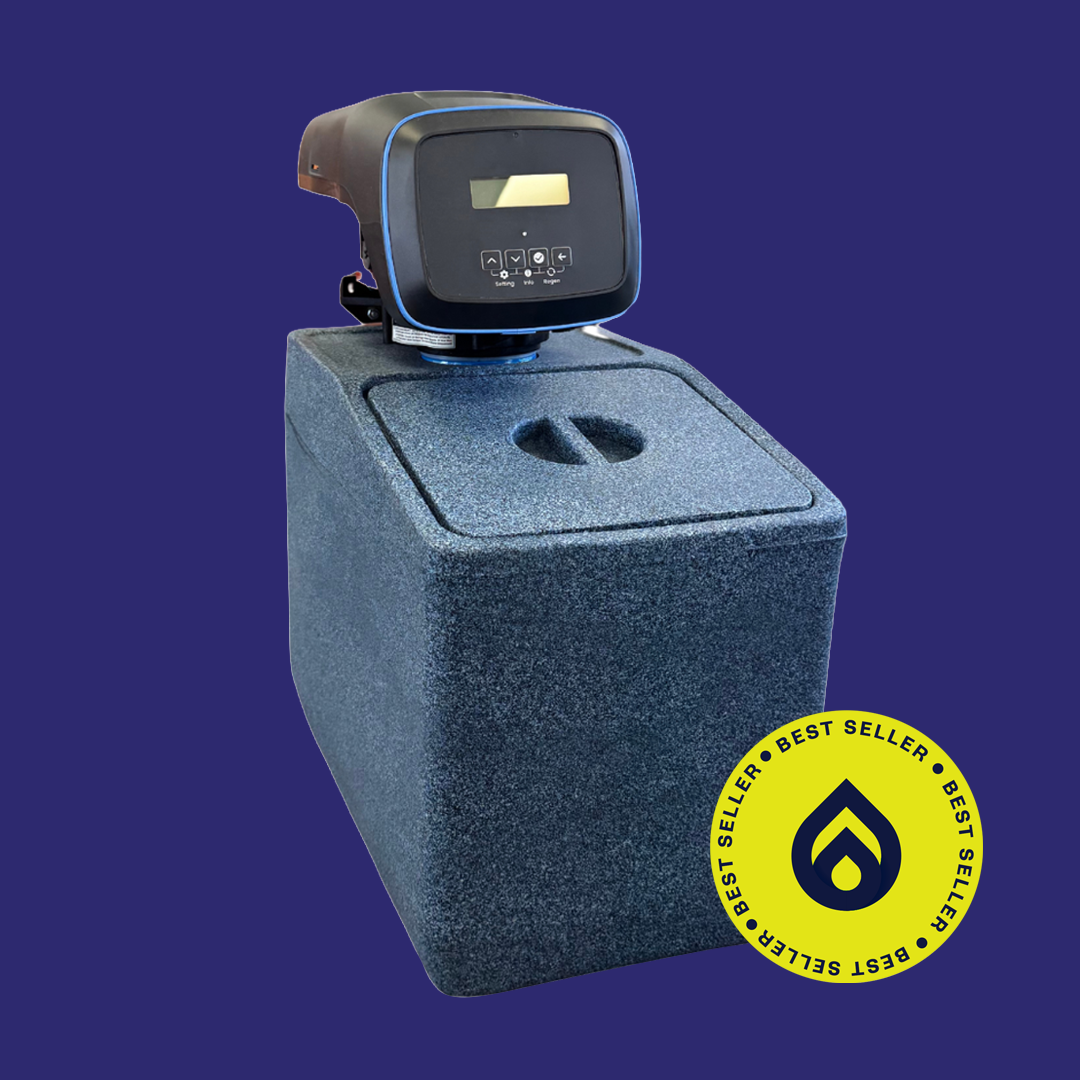
 For NO MORE limescaleEMS10 Blue Eco Premier Meter-Controlled Water Softener
From €1.818,95
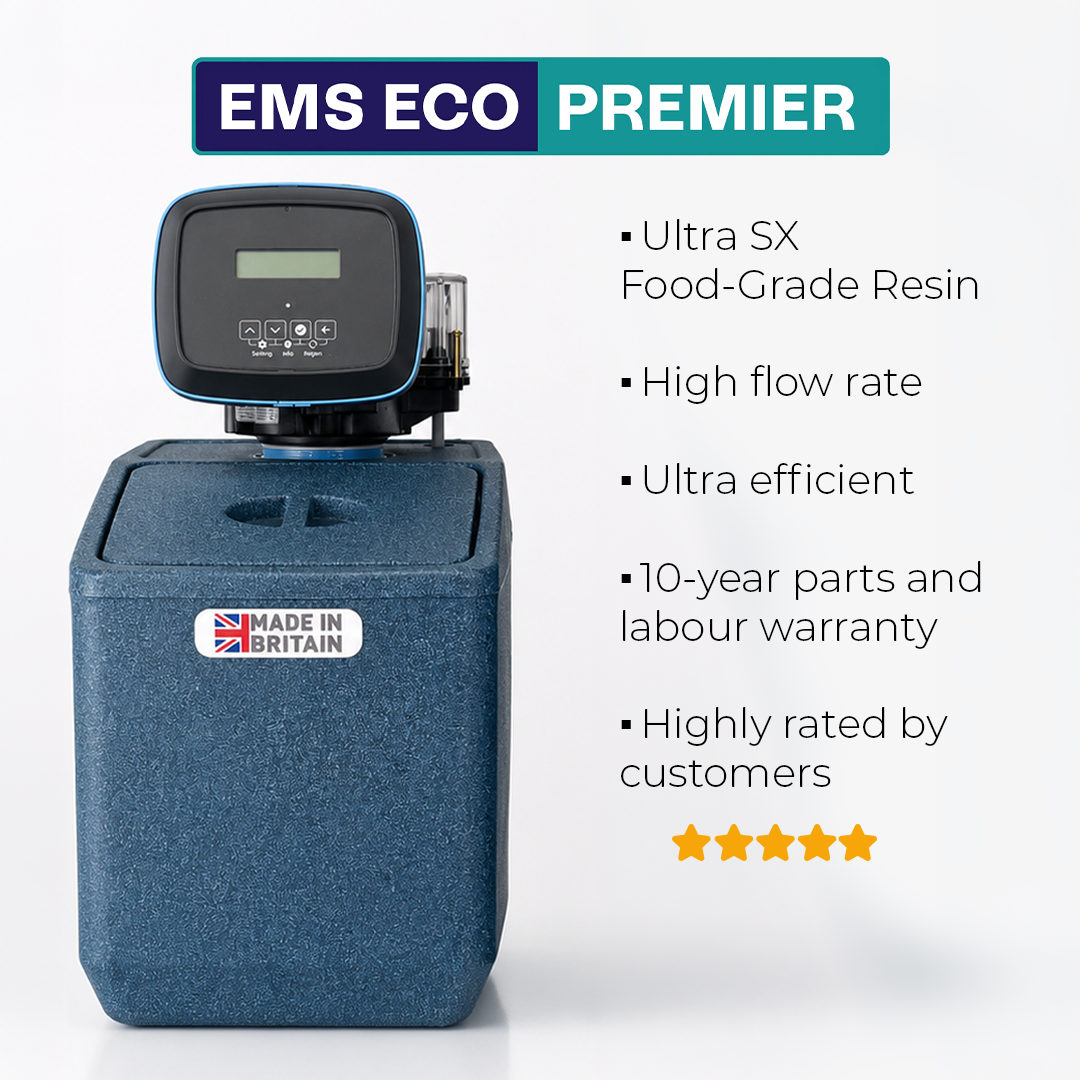
For NO MORE limescaleEMS10 Blue Eco Premier Meter-Controlled Water Softener
From €1.818,95
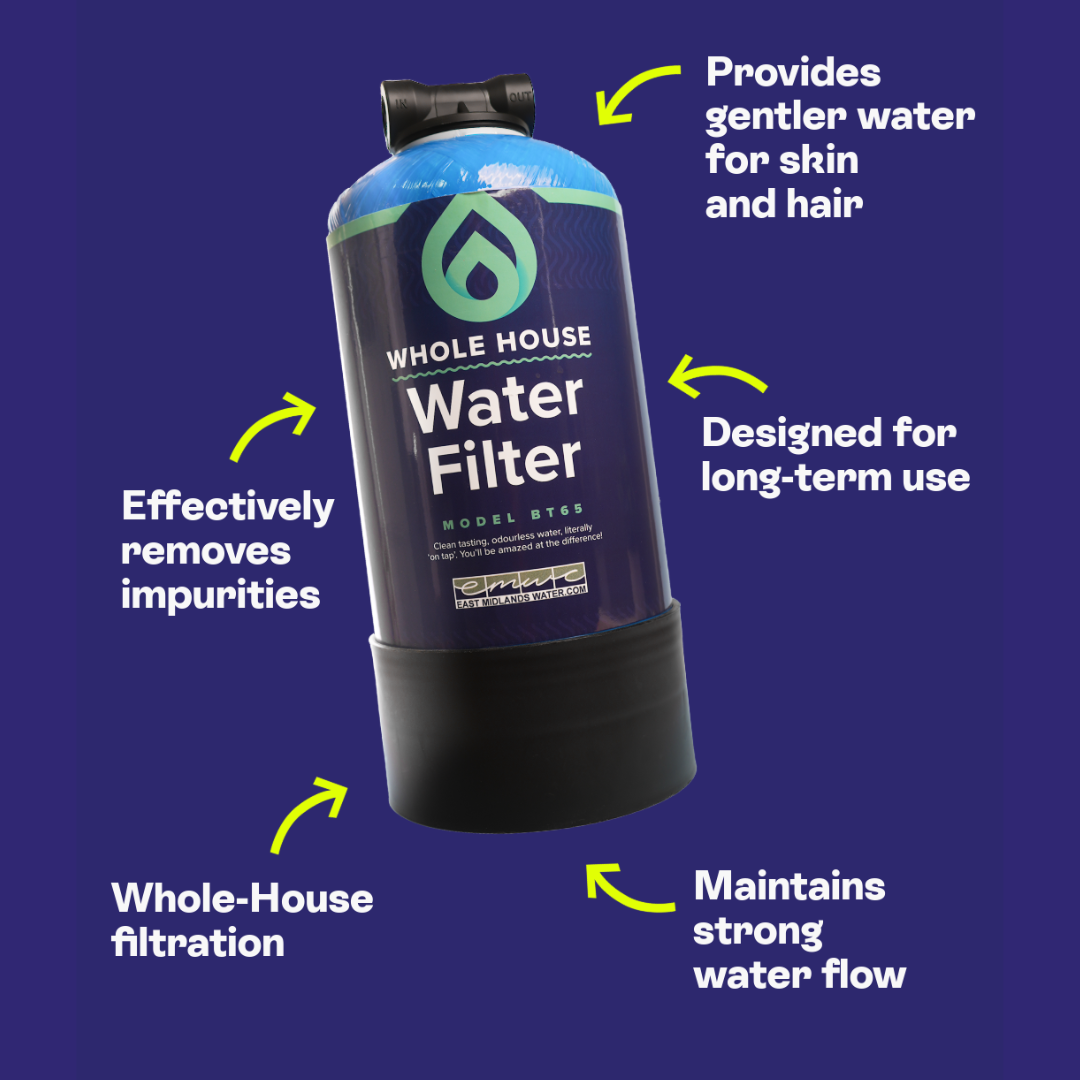
 For WHOLE HOUSE FILTRATIONBT65 Whole House Water Filter – 650,000L Capacity, Chlorine-Free
From €602,95
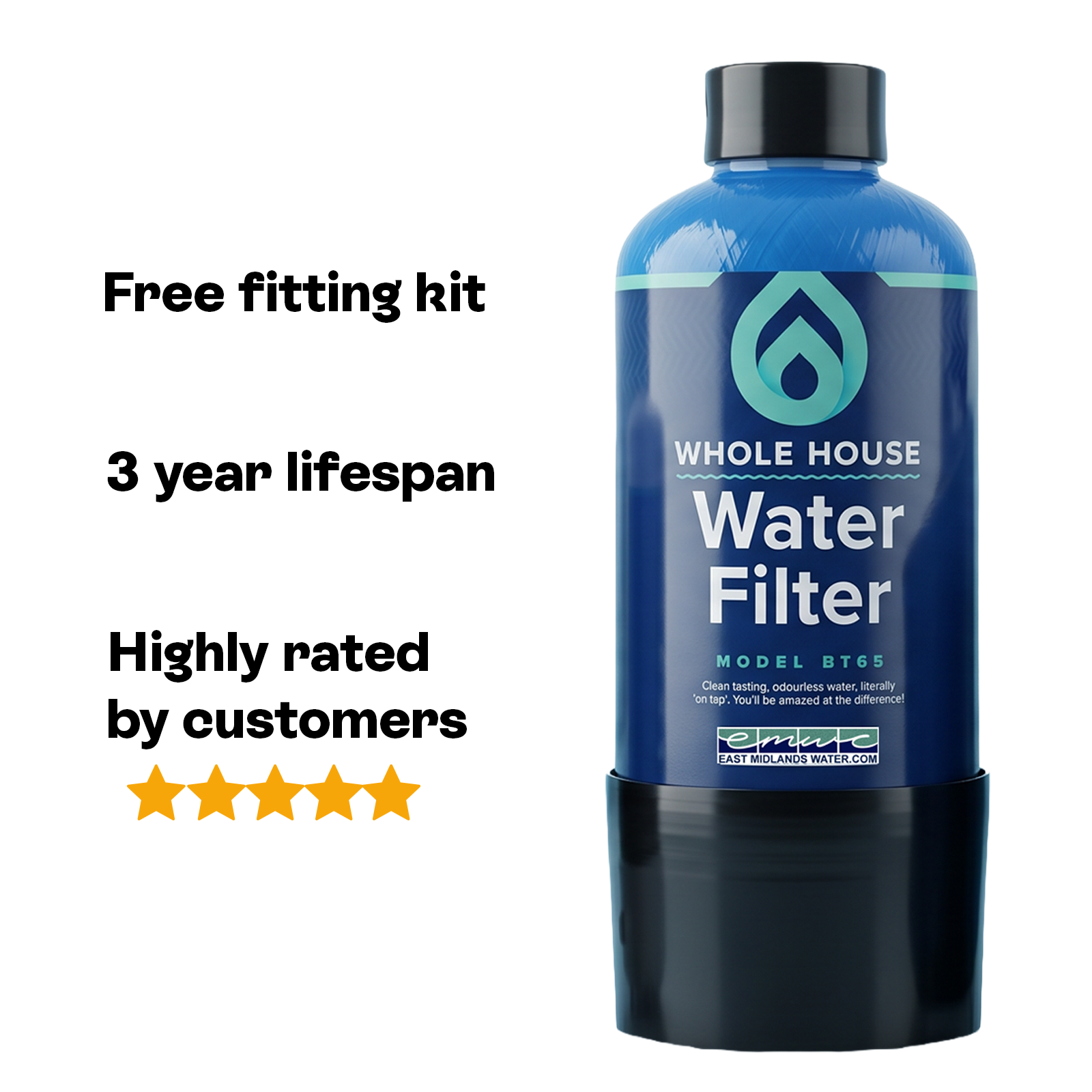
For WHOLE HOUSE FILTRATIONBT65 Whole House Water Filter – 650,000L Capacity, Chlorine-Free
From €602,95
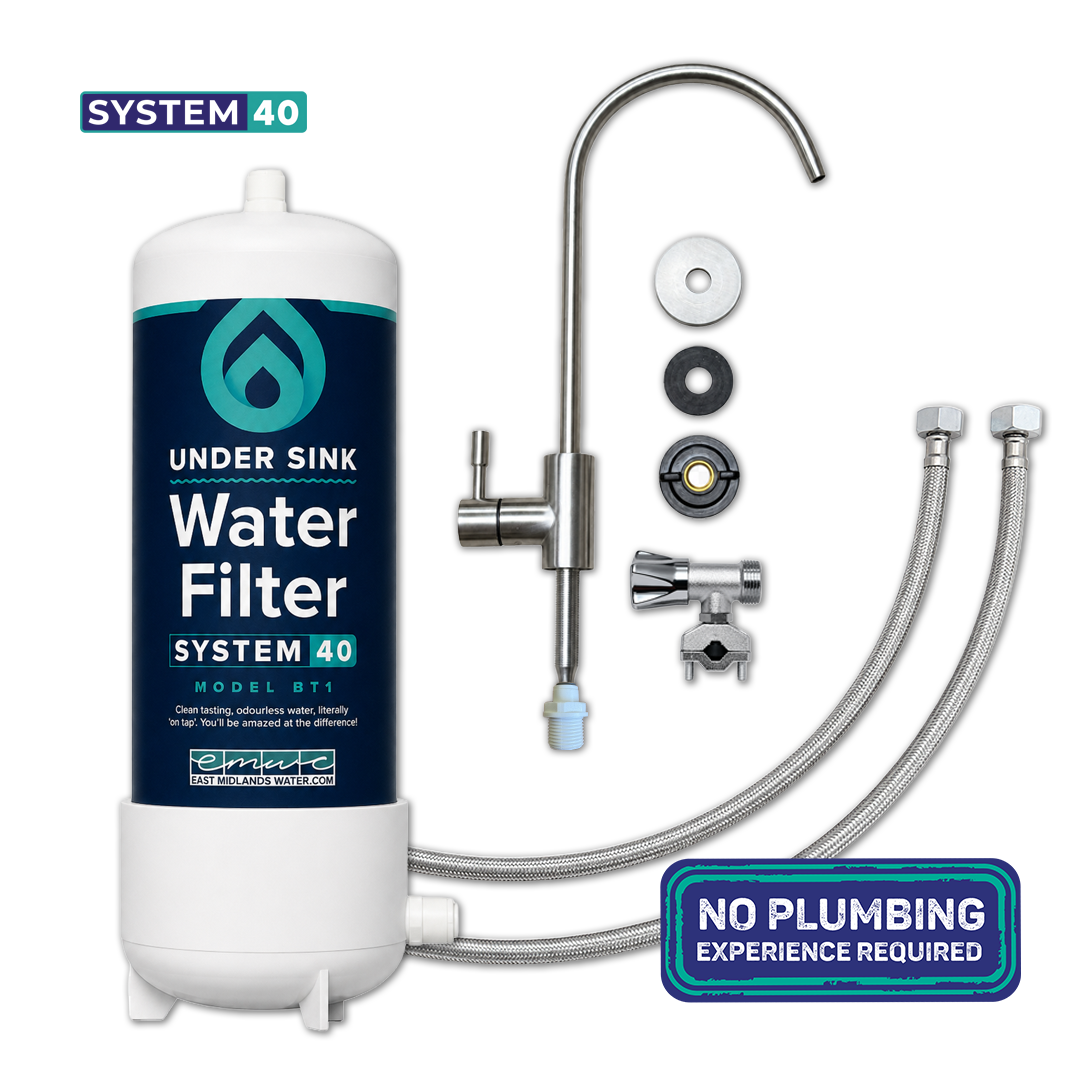
 For EASY-FIT FILTERED waterEco Filters System 40 Starter Kit - 3-Year, 40,000L Under-Sink Water Filter
From €358,95
For EASY-FIT FILTERED waterEco Filters System 40 Starter Kit - 3-Year, 40,000L Under-Sink Water Filter
From €358,95


Best sellers
Shop all softeners →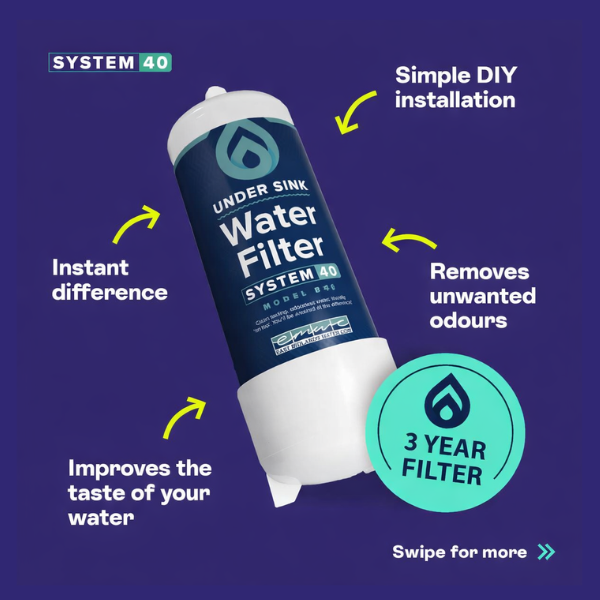
Which system do you need?
| What it fixes | Softener | Whole House Filter | Reverse Osmosis |
|---|---|---|---|
| Stops limescale | Yes | No | No |
| Improves taste and smell | No | Yes | Yes |
| Removes chlorine | No | Yes | Yes |
| Purest drinking water | No | No | Yes |
| Whole home coverage | Yes | Yes | Tap only |
Don't just take our word for it
Rated Excellent on TrustpilotRated 5 out of 5Customer service is second to none, have been using their water softeners in my home for nearly 30 years.
Rated 5 out of 5Very easy to deal with EMWC. They gave swift and clear advice over the phone and the new softener arrived the next day.
Rated 5 out of 5We’ve been long term customers, and have had a System 40 installed for 15+ years.
Rated 4 out of 5Emma was extremely helpful. She made sure my filter was dispatched on the same day.
What softened water actually feels like
- No more scale on shower screens, taps and tiles
- Softer skin and hair, less soap and shampoo used
- Cleaner glassware and brighter laundry
- A boiler and appliances that last years longer

 BeforeAfter
Drag/click to compare
Fix your water this week
Not sure which system is right? Call our team for honest advice with no upsell - Or use our simple product quiz:
- EMWC Smart Fit
- Fast UK delivery
- Over 35 years in business
- Excellent on Trustpilot
FREQUENTLY ASKED QUESTIONS
Our customer service is available at 0116 276 3334.
What's the difference between a water softener, water filter and reverse osmosis system?
Water Softeners – Remove Limescale
Softeners remove the calcium and magnesium that cause hard water, protecting your boiler, appliances and pipework from limescale and leaving water that feels softer for bathing and cleaning.
Choose a softener if you:
- See white marks on taps, glassware or shower screens
- Regularly descale your kettle or shower head
- Want to protect your appliances and heating system
Water Filters – Better Tasting Tap Water
Filters improve the taste and smell of your drinking water by reducing chlorine, odours and selected impurities. They won't remove the minerals that cause limescale.
Choose a filter if you:
- Don't like the taste or smell of your tap water
- Want to reduce chlorine
- Want a simple, low-cost alternative to bottled water
Reverse Osmosis – Ultra-Pure Drinking Water
RO systems deliver the purest drinking water available for most homes, using a semi-permeable membrane to reduce a far wider range of dissolved contaminants than a standard filter. Comes from a dedicated kitchen tap.
Choose RO if you:
- Want the purest possible drinking water
- Love making tea, coffee or cooking with pure water
- Need high-purity water for specialist uses
Is tap water in the United Kingdom safe to drink?
Tap water in the UK is generally considered safe to drink and is highly regulated. However, many homeowners still choose water filtration systems to improve taste, reduce chlorine, eliminate limescale-related impurities, and lower exposure to any remaining contaminants.
Households use water filters because water can pick up chemicals, dissolved substances, and impurities as it travels through pipes and the environment before reaching the tap.
Common reasons why UK homeowners filter their tap water include: improving taste and odor, reducing chlorine, removing sediment and particles, reducing heavy metals, filtering out microplastics, improving water quality for cooking and beverages, and protecting appliances from impurities. In hard water areas (such as much of England) water softeners prevent limescale buildup in kettles, showers, boilers, and household appliances.
What does a water filter remove?
A water filter removes impurities, chemicals, and unwanted tastes from your drinking water, improving both its quality and flavor. At East Midlands Water, our drinking water filters are designed to reduce common contaminants found in UK tap water while retaining the healthy minerals naturally present in the water.
Depending on the filtration system used, a water filter can help reduce: chlorine; unpleasant tastes and odors; sediment and rust particles; dirt and debris; organic chemicals; microplastics; certain pesticides and herbicides; heavy metals such as lead; limescale particles; and water turbidity.
The BT65 water filtration system uses advanced carbon filtration technology to improve the taste, odor, and clarity of your drinking water, providing cleaner, fresher water straight from your tap. Many customers choose water filtration systems because they: prefer better-tasting drinking water; want to reduce chlorine in tap water; are concerned about impurities; want filtered water for cooking, tea, and coffee; and want an eco-friendly alternative to bottled water.
For customers requiring even higher levels of filtration, East Midlands Water also supplies reverse osmosis systems capable of removing a wider range of dissolved contaminants and producing ultra-pure drinking water.
How do I know if my water is hard?
If you live in a hard water area, you may notice limescale on taps, kettles, shower screens, and appliances. Hard water can also affect how your skin feels after washing, reduce soap lather, and shorten the lifespan of boilers and appliances.
Common signs of hard water include: white marks on taps and glass; limescale in kettles; dry skin or dull hair after showering; reduced appliance efficiency; and soap or shampoo that does not lather properly.
You can quickly check your water hardness using the East Midlands Water postcode checker here: Check your water hardness here.
A water softener reduces limescale, protects appliances, and improves water quality throughout your home.
LATEST INSIGHTS
View our latest news, blog posts and insights from our team of experts.